

Connected workflow
Uncertainty becomes a roadmap.
Clutch Hound LLC / Process
From Product Vision to Production
We move from product strategy and UX to full-stack development, QA, and release through focused sprints, visible decisions, and one shared product roadmap.
Creative exploration. Product discipline.
Speed does not come from skipping strategy, UX, or technical planning. It comes from solving the right questions early, keeping product and engineering aligned, and reviewing real work throughout the process.
Every stage creates something visible: a decision, a map, a prototype, a working feature, a tested release.
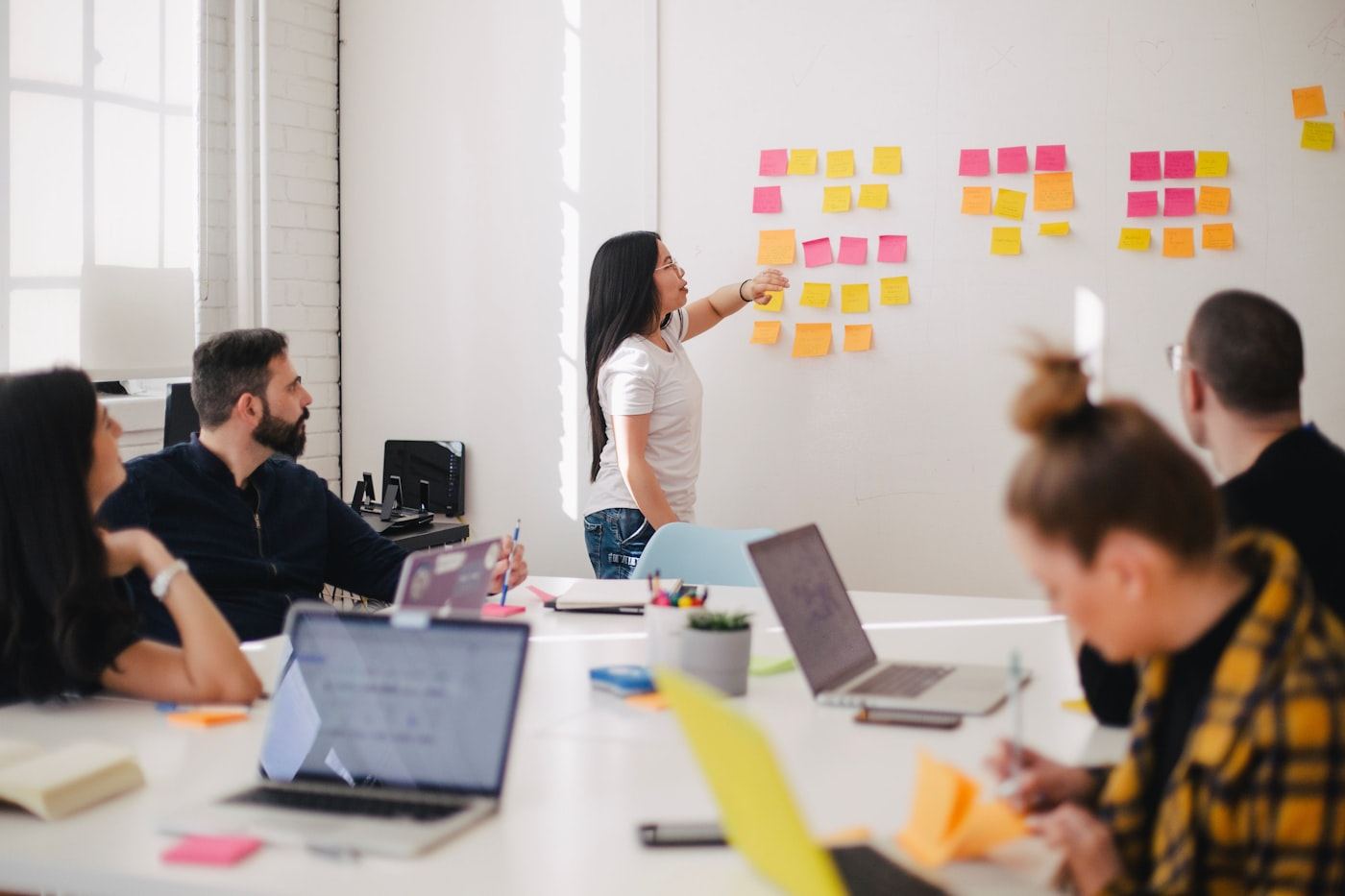 Visible work at every stage
The product delivery loop
A connected workflow for turning product uncertainty into clear decisions, implementation-ready design, production code, and measurable next steps.
Uncertainty becomes a roadmap.
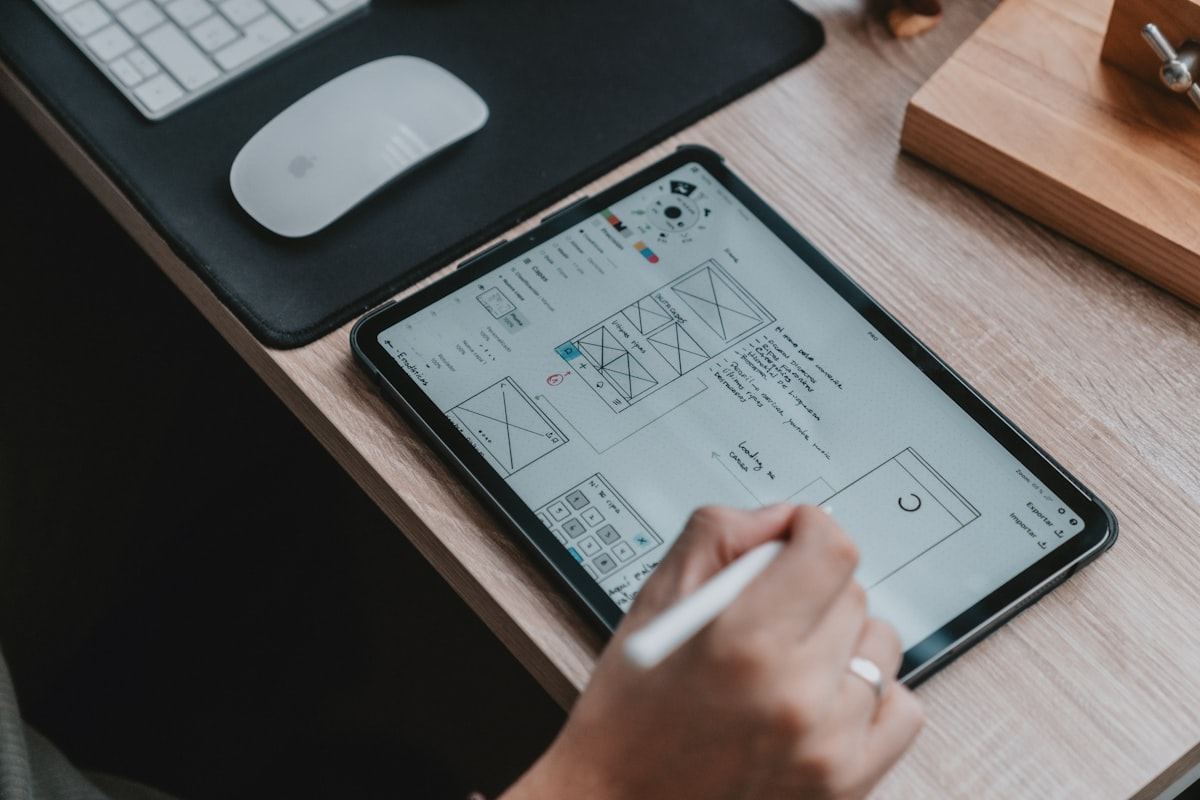
Ready to build.
Measured next steps.
01 — Discover
We bring the core context into one product conversation: goals, users, workflows, constraints, revenue model, current systems, and what success should look like.
A sharp product brief is more valuable than a long feature list.
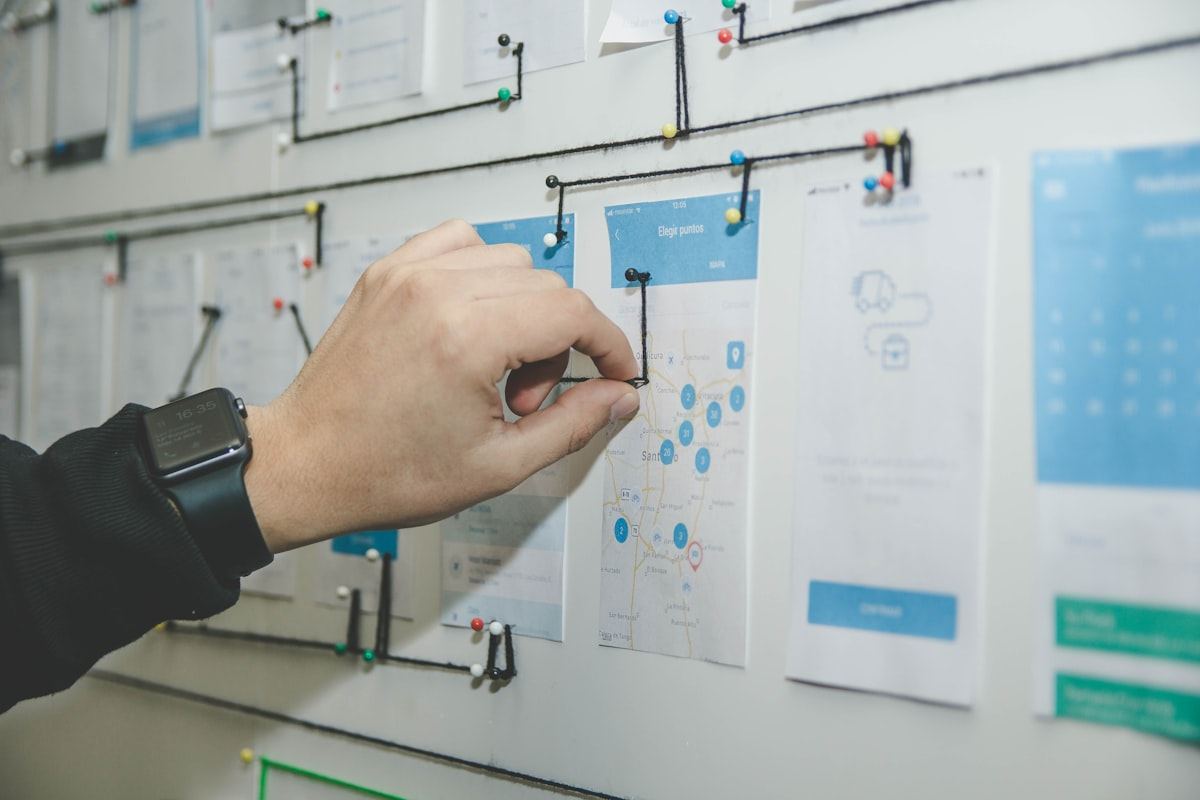
02 — Product & Technical Architecture
We map user journeys, product modules, business rules, data relationships, integrations, permissions, and the first meaningful release.
This is where product ambition meets a buildable system.

03 — UX & Interface Design
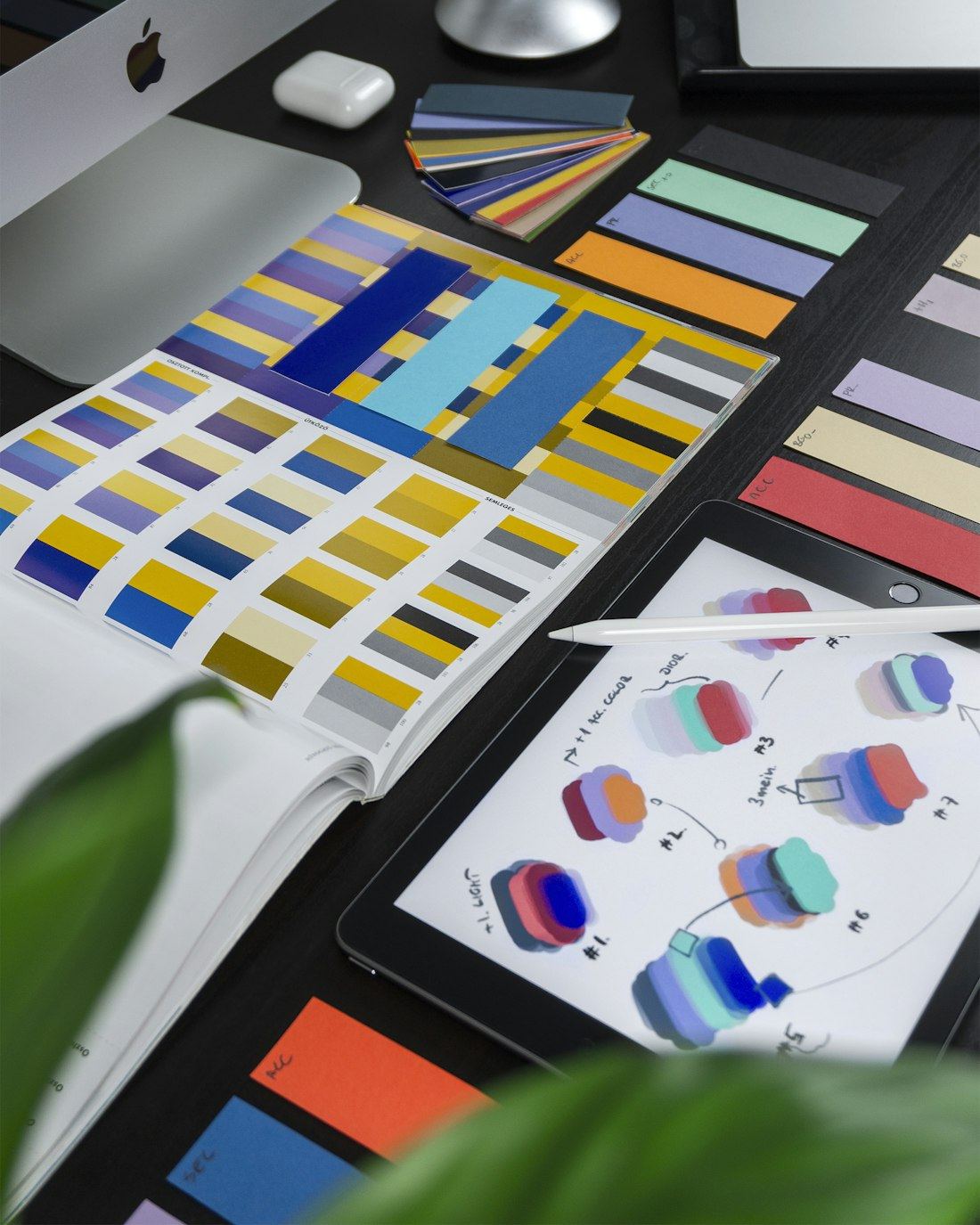
We explore the user journey through flows, wireframes, prototypes, and interface states. Once the experience works, we build a distinctive visual language and scalable design system around it.
Strong visual design gets attention. Clear product design keeps it.
04 — Full-Stack Development
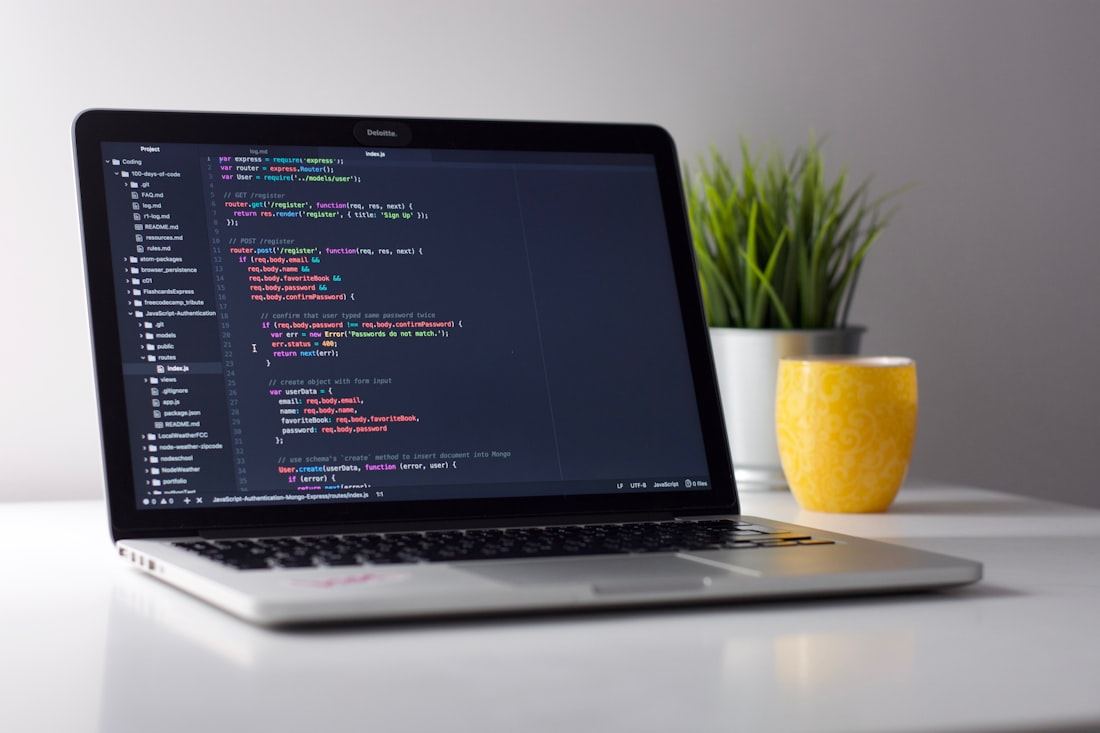
Frontend, backend, APIs, data, integrations, and internal tools are developed through focused sprints. Design and engineering stay connected as the product moves from prototype to production code.
We ship progress—not presentations about progress.
05 — QA, Security & Release
We test the product across real scenarios, roles, devices, integrations, and failure states before release. Production readiness includes more than a final visual check.
The goal is not simply to go live. It is to go live ready.
06 — Launch, Measure & Improve
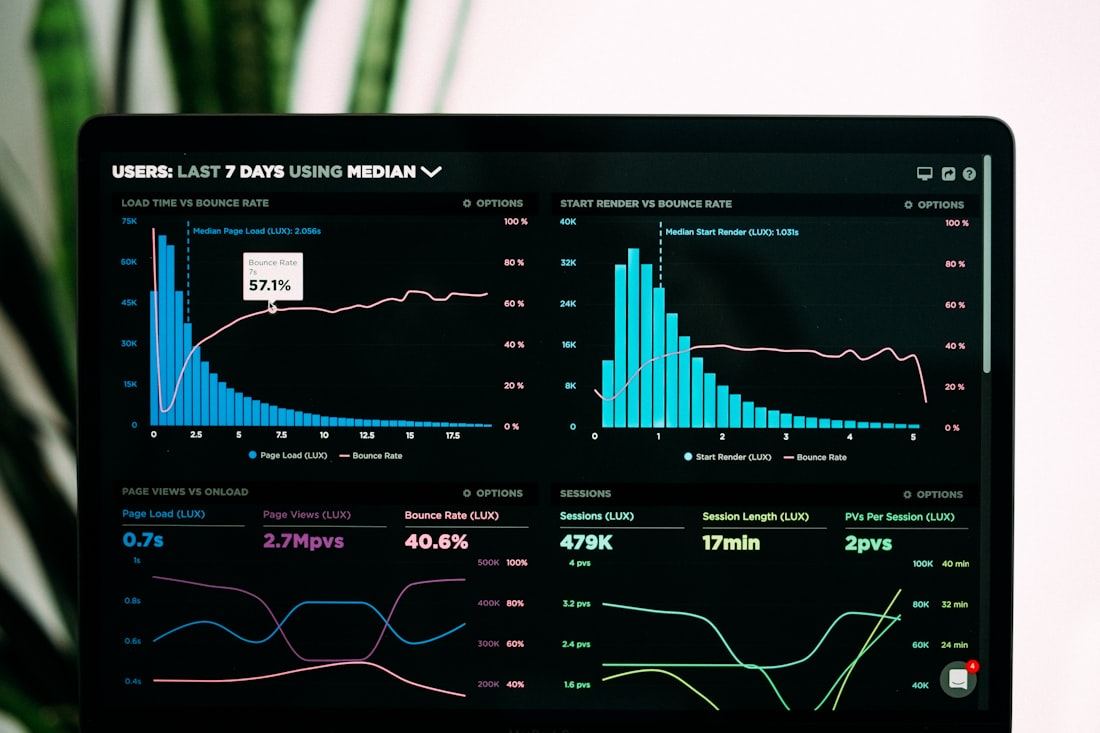
After launch, real user behavior replaces assumptions. We review feedback, analytics, performance, and business priorities to decide what deserves the next sprint.
The roadmap gets smarter when the product starts talking back.
 One product team
Designers understand the product constraints. Engineers understand the intended experience. Product decisions remain visible across both disciplines.
Shared product map · Joint reviews · Component-based design · API contracts · Technical feasibility checks · Working demos
Fewer gaps between the idea, the interface, and the product people actually use.
The working rhythm
Align the goals, people, tools, and first priorities.
Define what moves forward now and what stays in the backlog.
Review flows, prototypes, and working features while decisions can still improve the outcome.
Keep product, scope, and technical choices visible.
See real progress—not a status deck explaining why progress is invisible.
Improve the way the team works as the product grows.
Shared tools. Shared context.
Figma · Product maps · Interactive prototypes · Design systems
Backlog · Sprint planning · Working demos · Release notes
Git-based workflow · Code review · CI/CD · Staging · API docs
Focused check-ins · Decision log · Async updates · Clear owners
The tools can change. Visibility and accountability stay.
What we need from your side
You do not need to design the solution. You do need to help us understand the reality it has to work in.
Access to people who understand the business and users
Honest priorities and constraints
Timely feedback on work in progress
Real examples of how the product is used or should be used
Clear decision ownership
What you can expect from us
Recommendations with reasoning
Visible work and honest progress
Design and technology considered together
Clear trade-offs around scope, speed, and complexity
Maintainable systems—not demo-only shortcuts
A roadmap that stays connected to the business goal
No. A clear goal, existing product, rough brief, or product problem is enough to start. Discovery fills the important gaps.
Yes. We can own a defined product, UX/UI, frontend, backend, or modernization scope and connect it to your existing workflow.
We review the users, functionality, integrations, design requirements, technical context, and level of uncertainty. Early-stage projects may start with a Discovery Sprint.
Yes. Working features, prototypes, sprint demos, and decisions remain visible throughout the process.
We can continue through iteration, optimization, new features, technical improvements, and product scaling.
Ready for the first sprint?
Tell us what you are launching, scaling, or rebuilding. We’ll help define the smartest next move and the product team needed to make it real.
Start with the goal. The roadmap comes next.